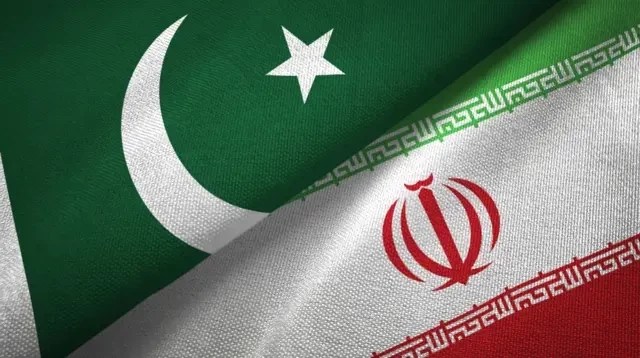
Pakistan and Iran have recently reaffirmed their commitment to eradicating terrorism and strengthening their security cooperation, particularly along their volatile 900-kilometre shared border. This renewed resolve follows a series of high-level contacts and meetings in August 2025, marked by rising cross-border militant activity and mutual security concerns.
Military Leadership Engagement
During a recent telephone conversation, Pakistan’s Chief of Army Staff, Field Marshal Asim Munir, and Iran’s Chief of Staff of the Armed Forces, Major General Abdolrahim Mousavi, underscored the urgency of enhanced joint action against terrorist groups operating in their border regions. Both commanders acknowledged that terrorist movements—such as those linked to Jaish al-Adl (formerly Jundallah) and the Balochistan Liberation Army (BLA)—have increased, and that addressing these threats is essential for regional stability and economic development.
Key Challenges and Context
The border between Pakistan’s Balochistan and Iran’s Sistan and Baluchestan provinces has long been a hotspot for militant activity and cross-border smuggling. Recent incidents—such as the ambush that killed five Iranian police officers—have highlighted the urgency of adopting more practical and coordinated counterterrorism measures. Both countries now recognize that securing the frontier is inseparable from ensuring peace and economic stability. Unlike the War on Terror years, when joint efforts were sporadic, since 2024 there has been a marked shift toward sustained cooperation.
Concrete Steps and Agreements
Beyond military collaboration, both governments have shifted toward more comprehensive cooperation. Earlier this month, Iranian President Masoud Pezeshkian visited Pakistan on a two-day official trip, resulting in the signing of 12 agreements and Memorandums of Understanding (MoUs) covering a range of issues, including security and border management. These agreements indicate a mutual commitment to translating words into tangible action, not only to counter terrorism but also to boost economic activity and support recovery efforts following natural disasters.
Future Prospects
While earlier attempts at joint anti-terror operations often faltered—-particularly due to post-9/11 conflicts and the rugged terrain spanning the Afghan, Iranian, and Pakistani frontiers—the present climate is marked by cautious optimism. Sustained engagement between military and political leadership, along with newly established institutional frameworks for cooperation, signals that both Pakistan and Iran are preparing to pursue more rigorous, coordinated action against cross-border militancy. The separatist insurgency in the predominantly Baloch-inhabited regions of both states has intensified over the past two years, with violence against civilians becoming a troubling norm. Decisive measures against these groups, which share common objectives, would not only bolster security but also create the conditions for greater regional connectivity and development.
